If you're a Maryland senior wondering whether you need to register your will with the state, you're asking the right question. It takes hard work to accumulate the assets and memories that define your legacy, so it only makes sense that you want to ensure your will is properly executed and legally sound.
The short answer? No, you don't have to register your will in Maryland. But there's more to this story, especially with recent changes that took effect in 2025.
The Truth About Will Registration in Maryland
Maryland law gives you the option to file your will with the Register of Wills for safekeeping, but this is entirely voluntary. You can keep your will at home, in a safe deposit box, or with your attorney: whatever feels most secure to you.
However, here's what you need to know: once you pass away, Maryland law requires that anyone who finds your will must file it with the Register of Wills promptly. This isn't optional for your family members or executor.
Think of will registration as insurance for peace of mind. While not required, filing your will with the Register of Wills ensures it won't get lost, damaged, or accidentally destroyed. For many seniors, this small step provides invaluable security.

What Changed in Maryland Estate Law in 2025
Several important legislative updates took effect on October 1, 2025, that impact how estates are handled in Maryland. While these changes don't affect whether you need to register your will, they do influence estate administration and family planning.
Key Updates You Should Know About
Unpaid Child Support Priority: Estates and Trusts § 8-105 was amended to include unpaid child support as a priority payment in the order of claims against an estate. This means if you have adult children with unpaid support obligations, these debts will be settled before other estate distributions.
Domestic Partnership Requirements: If you're in a domestic partnership, new requirements now mandate that declarations include your full legal name, date of birth, and social security number. This affects how domestic partners are recognized in estate proceedings.
Updated Forms: Several probate forms were revised, including those for small estate notices and appointment notifications. If you're handling estate matters or planning ahead, make sure you're using the most current forms.
These changes reinforce why having a properly drafted, current will is essential for Maryland seniors. Your estate planning documents should reflect the most recent legal requirements to avoid complications for your loved ones.
5 Steps to Make Your Will Bulletproof
Creating a will that stands up to legal scrutiny and family challenges requires attention to specific details. Here are the five essential steps every Maryland senior should follow:
Step 1: Put Everything in Writing
Your will must be in writing to be valid in Maryland. While handwritten wills are legally acceptable if they meet all other requirements, most estate planning attorneys recommend typed documents for clarity and legibility.
Don't rely on verbal promises or recorded messages: Maryland courts won't recognize oral wills except in very limited military situations. Whether you write your will by hand or have it professionally prepared, the written word is your legal foundation.

Step 2: Ensure You Meet Capacity Requirements
You must be at least 18 years old and of sound mind when creating your will. "Sound mind" means you understand:
- The nature and extent of your property
- Who your natural heirs are (family members who would inherit without a will)
- The consequences of signing a will
- How these elements relate to each other
If family members later question your mental capacity, having medical documentation or witnesses who can attest to your competence when you signed your will provides crucial protection.
Step 3: Sign Before Two Qualified Witnesses
This is where many homemade wills fail. Maryland requires that you sign your will in the presence of at least two credible witnesses, and both witnesses must also sign in your presence. Each witness must be at least 18 years old.
Your witnesses cannot be:
- Beneficiaries named in your will
- Spouses of beneficiaries
- Your executor (though this doesn't invalidate the will, it's best practice to avoid)
Choose witnesses who are younger than you and likely to be available if questions arise about your will's validity during probate proceedings.
Step 4: Include a Proper Attestation Clause
Maryland law requires an attestation clause: a statement that confirms your will was properly witnessed. This clause typically appears just before the witness signatures and states that you signed the will in their presence and that they signed as witnesses in your presence and in the presence of each other.
A proper attestation clause might read: "We, the undersigned witnesses, each do hereby declare in the presence of the aforesaid testator, and of each other, that the aforesaid testator subscribed, published and declared the foregoing instrument as and for his/her Last Will and Testament…"
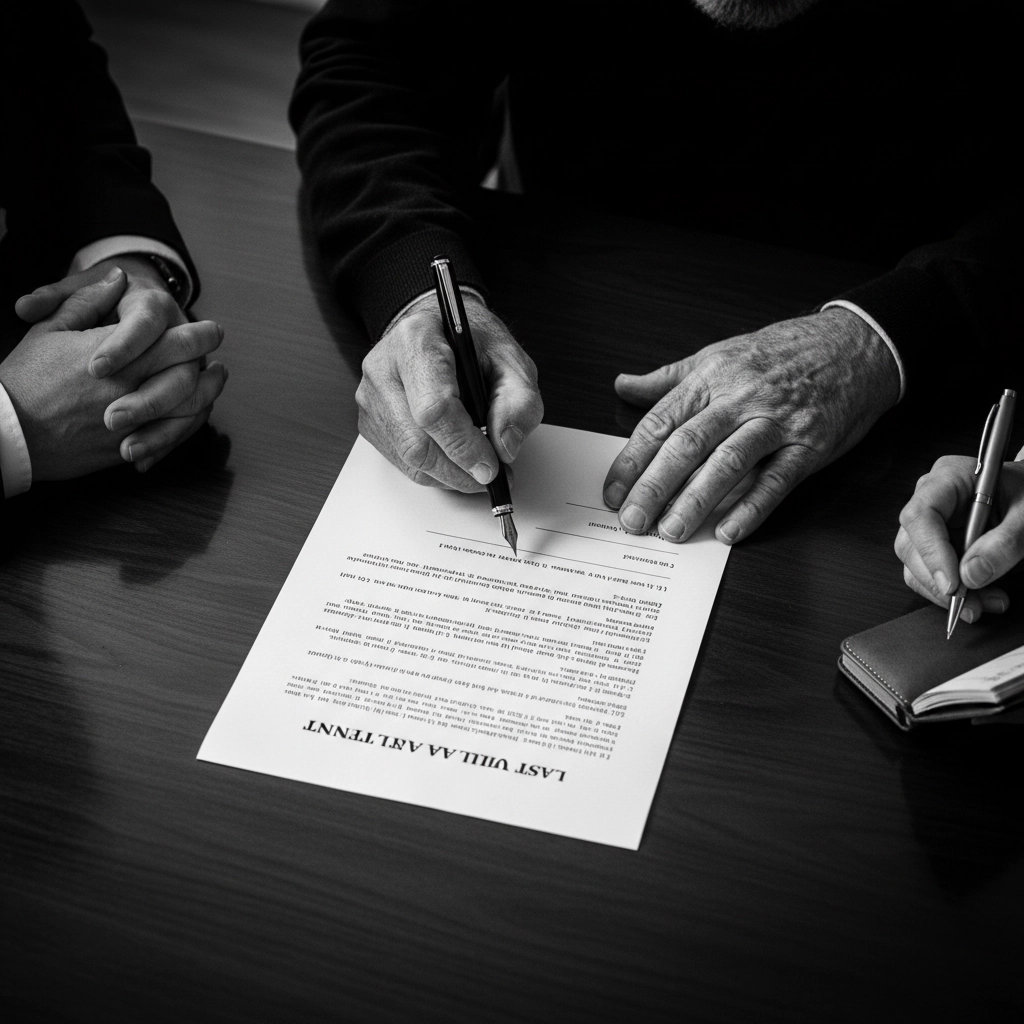
Step 5: Consider Notarization for Self-Proving Status
While Maryland doesn't require notarization for a valid will, having your will notarized makes it "self-proving." This means the probate court won't need to call your witnesses to testify about the will's validity, which can significantly expedite the probate process for your family.
A self-proving will includes affidavits from you and your witnesses, all sworn before a notary public, confirming that proper will execution procedures were followed.
Additional Protection Strategies for Maryland Seniors
Beyond the five essential steps, consider these additional measures to bulletproof your will:
Review After Major Life Changes: Maryland law automatically invalidates any will executed before marriage if you have a surviving spouse and child. Similarly, provisions related to former spouses are revoked upon divorce or annulment. Review your will after marriages, divorces, births, deaths, or significant financial changes.
Store Multiple Copies Safely: Keep your original will in a fireproof safe or with your attorney. Give copies to your executor and close family members, but clearly mark them as "COPY." Only the original will can be probated.
Update Beneficiary Designations: Your will doesn't control assets with designated beneficiaries like life insurance policies, retirement accounts, or jointly-owned property. Ensure these designations align with your will's intentions.
Consider a Pour-Over Will: If you have a living trust, a pour-over will ensures any assets not transferred to the trust during your lifetime will be "poured over" into the trust after death.
Common Will Mistakes Maryland Seniors Make
Avoid these frequent pitfalls that can invalidate or complicate your will:
Using DIY Forms Without Understanding Maryland Law: Generic online forms may not comply with Maryland's specific requirements or address your unique family situation.
Forgetting to Update After Relocating: If you move to Maryland from another state, review your will to ensure it meets Maryland law. While most properly executed out-of-state wills are valid in Maryland, having a Maryland attorney review it provides peace of mind.
Not Addressing Digital Assets: Include provisions for digital assets like online accounts, cryptocurrency, and digital photos. These assets are increasingly valuable but often overlooked in traditional estate planning.
Inadequate Executor Preparation: Choose an executor who understands their responsibilities and is willing to serve. Consider naming a successor executor in case your first choice cannot serve.
When to Consult an Estate Planning Attorney
While Maryland recognizes self-made wills, certain situations warrant professional legal guidance:
- You own real estate in multiple states
- You have a blended family with children from previous relationships
- Your estate exceeds federal or state tax thresholds
- You own a business or complex investments
- Family members have special needs requiring ongoing care
- You anticipate will contests or family disputes
Professional estate planning ensures your will integrates properly with other estate planning tools and complies with current Maryland law.
START YOUR ESTATE PLAN NOW
Don't leave your family's future to chance. While registering your will isn't required in Maryland, having a properly executed, legally sound will is essential for every senior. The 2025 legislative changes underscore the importance of keeping your estate plan current and compliant.
If you're ready to create a bulletproof will or update your existing estate plan to reflect recent legal changes, the experienced team at Amenta Law Firm can help. We understand the unique concerns Maryland seniors face and provide personalized guidance to protect your legacy.
Your life's work deserves protection that goes beyond minimum legal requirements. Take the next step toward securing your family's future: because peace of mind is invaluable at every stage of life.